
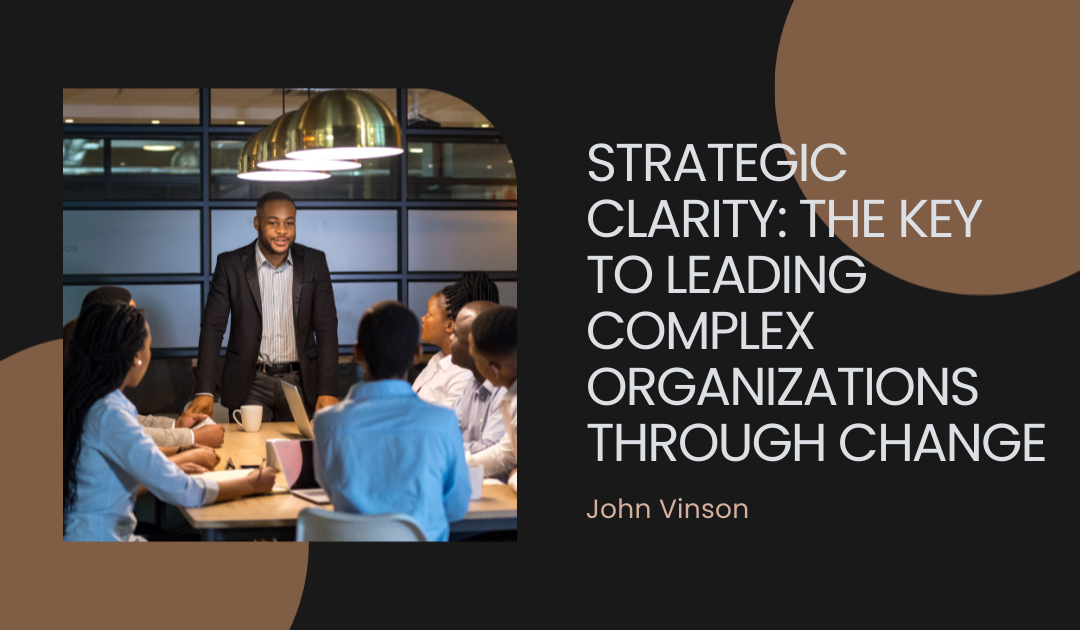
In today’s dynamic business environment, complexity and rapid change are constants. Organizations face shifting market demands, technological disruptions, and evolving regulatory landscapes. Navigating this complexity successfully requires more than just reactive management—it demands strategic clarity. Leaders who articulate a clear vision and align stakeholders around it create a foundation for purposeful action, resilience, and sustainable growth.
Defining and Communicating Strategic Clarity
Strategic clarity begins with defining a compelling vision and mission that reflect the organization’s core purpose and long-term aspirations. It involves identifying priorities that address current challenges while positioning the organization for future opportunities. Leaders must communicate this vision consistently and transparently to all levels of the organization.
Clear communication ensures that every employee understands how their work contributes to broader goals, reducing confusion and aligning efforts. This fosters engagement and empowers teams to make decisions that support the strategy without constant oversight.
Aligning People, Processes, and Technology
Achieving strategic clarity requires harmonizing the organization’s people, processes, and technology. Leaders must assess whether current workflows and systems support the strategic vision or create barriers to progress. For example, outdated technology may limit innovation, while unclear processes can slow decision-making.
Investing in workforce development and fostering a culture of accountability helps ensure employees have the skills and motivation to execute the strategy effectively. Technology should be viewed as an enabler that amplifies organizational capabilities rather than a standalone solution.
Adapting Strategy in a Changing Environment
Strategic clarity does not mean rigidity. Effective leaders remain vigilant to external changes and internal feedback, adapting their strategies as necessary. They balance steadfast commitment to core values with the flexibility to pivot in response to new information or unforeseen challenges.
Continuous evaluation of performance metrics and stakeholder input informs decision-making and helps organizations stay aligned with their mission. This dynamic approach builds resilience and positions organizations to thrive amid uncertainty.